Industrial Oil Coolers About
Industrial oil cooler specifications vary depending on the application (hydraulic systems, compressors, gearboxes, engines, turbines, etc.). Typical specifications include:
| Parameter |
Typical Specification |
| Cooling Capacity |
5 kW to 1,000+ kW |
| Oil Flow Rate |
101,500 L/min |
| Maximum Working Pressure |
1030 bar (higher for specialized applications) |
| Operating Temperature |
Oil inlet: 40120C; Oil outlet: 3080C |
| Cooling Medium |
Air or water |
| Heat Exchanger Type |
Plate, shell-and-tube, brazed plate, finned tube |
| Construction Material |
Aluminum, copper, stainless steel, carbon steel |
| Connection Size |
in. to 4 in. BSP/NPT/flanged |
| Oil Viscosity Range |
ISO VG 32680 (depending on design) |
| Ambient Temperature (Air-Cooled) |
Up to 5055C |
| Fan Motor (Air-Cooled) |
230/415 V AC or 24 V DC, IP55/IP65 |
| Protection Class |
IP54IP66 (motor) |
| Efficiency |
Typically 7095% heat transfer efficiency |
| Mounting |
Horizontal, vertical, or skid-mounted |
Common Types
- Air-cooled oil coolers Suitable where water is unavailable.
- Water-cooled oil coolers Higher cooling efficiency for industrial plants.
- Plate heat exchangers Compact and efficient.
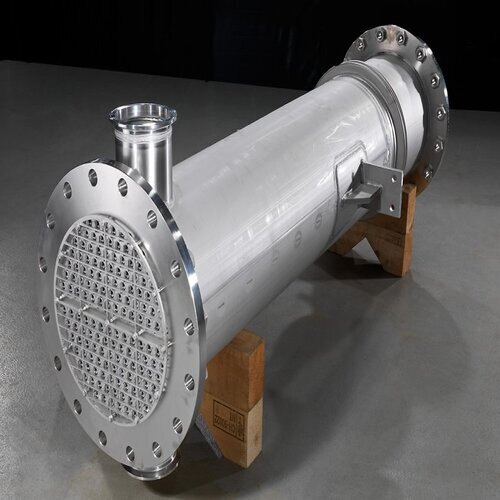
- Shell-and-tube coolers Rugged, suitable for heavy-duty applications.
Typical Applications
- Hydraulic power packs
- Injection molding machines
- CNC machines
- Air compressors
- Gearboxes
- Industrial presses
- Power plants
- Marine engines
Selection Criteria
When specifying an industrial oil cooler, define:
- Required heat load (kW)
- Oil flow rate (L/min)
- Oil type and viscosity
- Maximum operating pressure
- Oil inlet and desired outlet temperatures
- Cooling medium (air or water)
- Ambient or cooling water temperature
- Installation space and mounting orientation
- Electrical supply (for air-cooled units)
For a specific recommendation, provide:
- Heat load (kW) or equipment power
- Oil flow rate (L/min)
- Oil type (e.g., ISO VG 46 hydraulic oil)
- Inlet oil temperature
- Target outlet temperature
- Cooling medium (air or water)
- Operating pressure and ambient conditions.
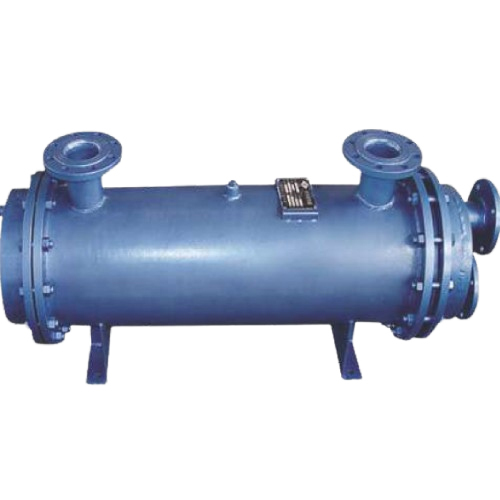
Exceptional Design for Demanding ApplicationsEngineered to cater to rigorous industrial demands, these oil coolers boast a shell-and-tube structure, available in various tube materials such as copper, brass, or steel. The shell, crafted from carbon steel or mild steel, ensures long-term durability and optimal heat transfer. Their customizable nature allows for efficient operation across a broad range of thermal loads and pressure requirements, enhancing reliability in applications like industrial gearboxes and hydraulic systems.
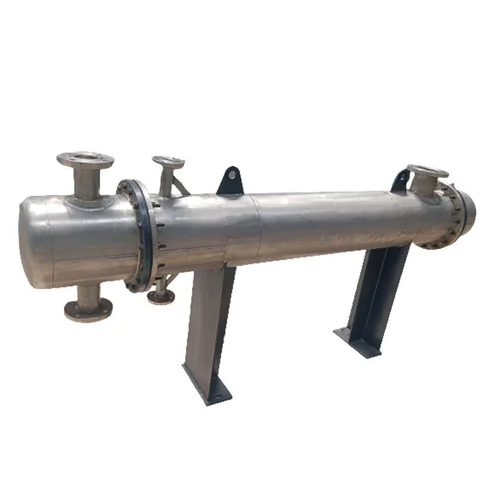
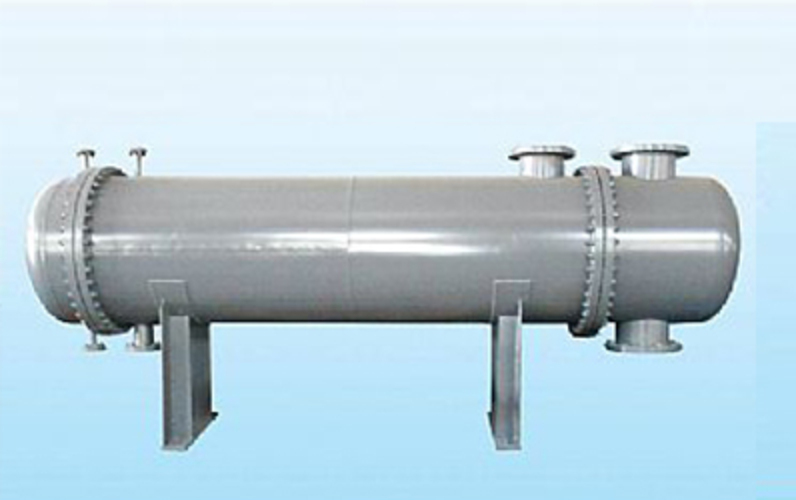
Versatile Mounting and Connection OptionsOur coolers can be mounted horizontally using robust brackets, supported by a spectrum of end connector options-flanged, threaded, or custom-suiting various installation needs. Inspection openings are incorporated in larger models, facilitating ongoing maintenance and performance checks, so you can maintain efficiency with ease.
Reliable Performance and Stringent Quality AssuranceEvery oil cooler is tested to either hydrostatic or pneumatic standards (IS/ASME), providing assurance of leak-free operation under high pressure. Thermal performance accommodates capacities up to 200 kW and flow rates from 30 to 500 LPM, ensuring effective cooling in diverse industrial environments. Corrosion resistance is dependent on material selection, offering adaptability to different fluid conditions.
FAQ's of Industrial Oil Coolers:
Q: How do I select the right tube and shell material for my industrial oil cooler?
A: Select tube materials like copper, brass, or steel based on the fluid compatibility and corrosion resistance required for your specific application. Shells are typically made from carbon steel or mild steel. Discuss your operating environment with the supplier to determine the best combination for optimal longevity and performance.
Q: What cooling medium can be used with these oil coolers?
A: These oil coolers are designed to operate efficiently with either water or air as the cooling medium, allowing you to choose the most suitable option depending on system requirements and cooling capacity needed.
Q: Where are inspection openings provided, and why are they needed?
A: Inspection openings are included in larger oil cooler models. They are vital for conducting periodic internal inspections, facilitating cleaning, and aiding maintenance activities, ensuring long-term reliability and efficiency.
Q: What is the process for mounting and installing these oil coolers?
A: These oil coolers are horizontally mounted using supplied brackets and can be connected via flanged, threaded, or custom end connectors. Installation guidance is provided by the manufacturer to ensure proper setup for maximum efficiency and safety.
Q: When should I perform a leakage test on the oil cooler?
A: Leakage testing, either hydrostatic or pneumatic, is performed at the manufacturing stage following IS/ASME standards. It is advisable to retest after prolonged use, maintenance, or before commissioning in critical applications to ensure no leaks have developed.
Q: What are the main benefits of using a shell and tube oil cooler in industrial systems?
A: Shell and tube oil coolers provide efficient heat dissipation, flexible mounting, and high durability. They are capable of handling substantial pressure and temperature ranges, supporting optimal operation in hydraulic systems, industrial gearboxes, and compressors.
 08045815056
 GST: 33BGTPS0823H1Z7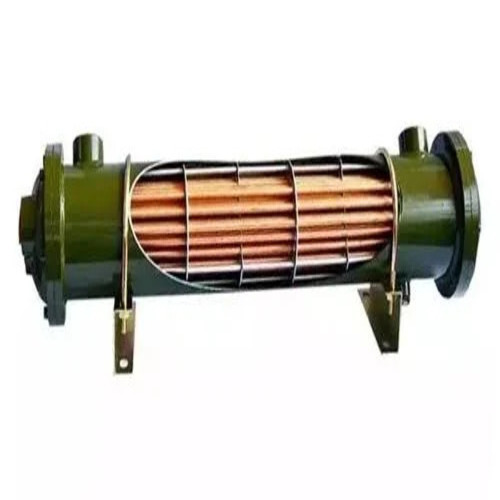

 Send Inquiry



 Send Inquiry


 Send Inquiry
 Send Inquiry
 Call Me Free