Heat Exchanger Tubes About
Heat exchanger tube specifications depend on the application, fluid, pressure, temperature, corrosion requirements, and applicable design codes. A typical specification includes the following:
| Parameter |
Typical Specification |
| Material |
ASTM A179, ASTM A213, ASTM A249, ASTM B111, ASTM B163 |
| Tube Type |
Seamless or welded |
| Outside Diameter (OD) |
12.7 mm (1/2"), 15.88 mm (5/8"), 19.05 mm (3/4"), 25.4 mm (1") |
| Wall Thickness |
0.893.4 mm (typically 1812 BWG) |
| Length |
130 m depending on exchanger design |
| Surface Finish |
Mill finish, polished, or bright annealed |
| Tube Ends |
Plain end, beveled, expanded, or threaded |
| Manufacturing Standard |
ASME Section II, TEMA |
| Design Code |
ASME Section VIII Division 1 |
| Hydrostatic Test |
As specified by ASTM or purchaser requirements |
| Eddy Current Test |
Optional or mandatory depending on service |
| Hardness |
As specified by material standard |
| Corrosion Allowance |
Based on process conditions |
Common tube materials
- Carbon steel: ASTM A179, ASTM A214
- Stainless steel: ASTM A213 TP304, TP304L, TP316, TP316L, TP321
- Duplex stainless steel: ASTM A789
- Copper alloys: ASTM B111
- Titanium: ASTM B338
- Nickel alloys (Inconel, Monel): ASTM B163, ASTM B165
Typical dimensions
- Outside diameter: 12.7 mm, 15.88 mm, 19.05 mm, 25.4 mm
- Wall thickness: 18 BWG (1.24 mm), 16 BWG (1.65 mm), 14 BWG (2.11 mm), 12 BWG (2.77 mm)
- Tube length: 212 m for standard exchangers; up to 30 m for special applications.
If you're preparing a procurement document, a typical specification might read:
Heat exchanger tubes shall be seamless ASTM A213 TP316L stainless steel, 19.05 mm (3/4 in.) OD 1.65 mm (16 BWG) wall thickness 6000 mm length, solution annealed, plain ends, manufactured and tested in accordance with the applicable ASTM standard and TEMA requirements, suitable for service under the specified design pressure and temperature.
If you need specifications for a particular service (e.g., refinery, power plant, seawater cooling, condensers, or food processing), I can provide a more targeted recommendation.
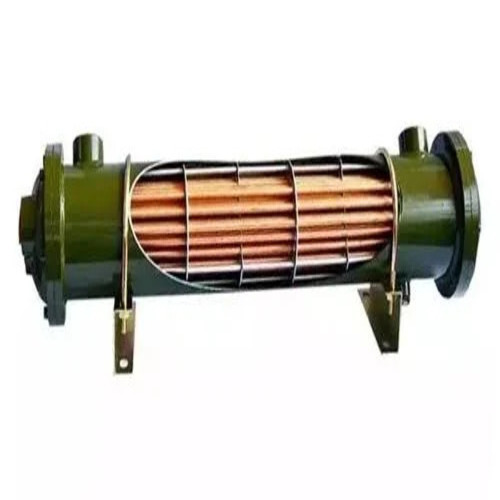
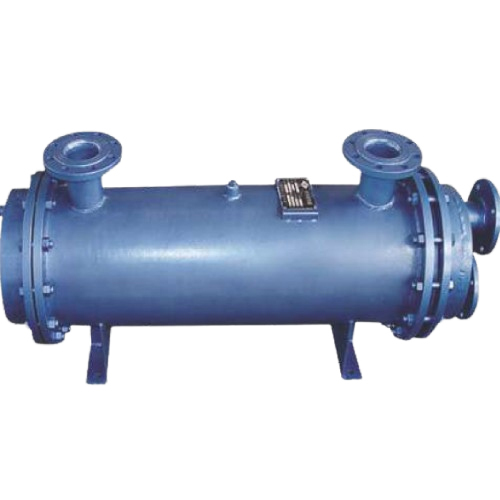
Precision Design for Versatile ApplicationsEngineered as seamless or welded tubes with customizable dimensions, our heat exchanger tubes accommodate a wide range of fluid and gas flows. Their robust structure and compatibility with various end connections make integration straightforward for HVAC systems, food processing, chemical, and pharmaceutical setups.
Stringent Quality and Testing StandardsWe adhere to globally recognized standards (ASTM, ASME, DIN) and subject every tube to hydrostatic testing up to 1.5x working pressure. This ensures optimal performance, reliability, and safety, even in demanding environments operating up to 25 bar and 350C.
Low Maintenance for Long-Term EfficiencyWith a polished finish and high corrosion resistance, our heat exchanger tubes require minimal upkeep-routine periodic cleaning keeps them performing at their best. Their durable materials and construction contribute to long service life, reducing replacement frequency and downtime.
FAQ's of Heat Exchanger Tubes:
Q: How are your heat exchanger tubes installed in different industry applications?
A: Our tubes come with flanged ends and customizable lengths and diameters, making installation into existing or new shell and tube heat exchanger setups straightforward for chemical, pharmaceutical, HVAC, and food processing facilities.
Q: What materials are available for these heat exchanger tubes, and how do they impact corrosion resistance?
A: We offer tubes in stainless steel, carbon steel, and copper alloys. Corrosion resistance varies by material-stainless steel and copper alloys provide high resistance in aggressive environments, while carbon steel suits less corrosive applications.
Q: When should I perform maintenance or cleaning on the heat exchanger tubes?
A: Periodic cleaning is recommended, depending on operating conditions and fluid properties. Generally, inspection and cleaning schedules are set annually or biannually to maintain peak thermal efficiency and prevent scaling or fouling.
Q: Where can these heat exchanger tubes be utilized effectively?
A: They are optimized for use in chemical plants, pharmaceutical manufacturing, HVAC cooling and heating systems, and food processing operations across India, thanks to their robust build and adherence to international standards.
Q: What is the testing process for your tubes, and how do you ensure operational safety?
A: Each tube undergoes hydrostatic testing at up to 1.5 times the working pressure, verifying its strength and leak-tightness. This process, along with compliance to ASTM, ASME, and DIN standards, assures safe high-pressure operation.
Q: What are the key benefits of using your heat exchanger tubes?
A: Benefits include high thermal efficiency, extensive corrosion resistance, low maintenance requirements, and custom dimensions to fit a wide range of applications. Their reliability and long lifespan ensure reduced downtime and consistent process performance.
Q: How do I determine the right dimensions and capacity for my application?
A: Dimensions such as tube length (1-6 meters), diameter (12-38 mm), and thickness (2-8 mm) can be tailored based on your process requirements. Our technical team assists in choosing optimal configurations for desired liquid flow rates (up to 500 m3/hr) and heat loads (up to 500,000 kcal/hr).
 08045815056
 GST: 33BGTPS0823H1Z7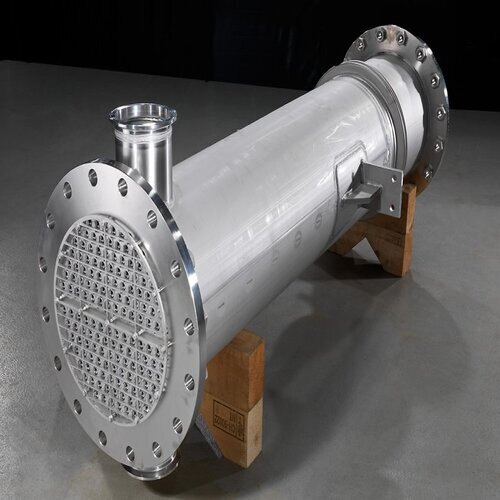

 Send Inquiry



 Send Inquiry


 Send Inquiry
 Send Inquiry